
Foot and Ankle Arthroscopy - Procedures, Benefits, and Recovery
Understanding Arthroscopic Foot and Ankle Surgery
Foot and ankle arthroscopy is a minimally invasive surgical procedure used to diagnose and treat selected conditions affecting the ankle and surrounding joints of the foot. The surgeon inserts a small camera called an arthroscope through small incisions to examine the joint and guide specialized surgical instruments. Aomax Ortho’s orthopedic implants and sports medicine fixation solutions may be relevant to selected associated ligament, tendon, and soft tissue repair procedures.
Advanced Techniques in Foot & Ankle Arthroscopy and Joint Repair
Foot and ankle arthroscopy is commonly used to treat selected conditions such as cartilage injuries, loose bodies, ankle impingement, and certain forms of joint inflammation. The surgeon uses an arthroscope to examine the joint and specialized instruments to treat the affected structures. Loose fragments and selected inflamed tissues may be removed to help reduce mechanical symptoms and improve joint movement. In appropriate cases, arthroscopic techniques may also be used to address selected cartilage defects or assist with joint procedures. When associated ligament injuries require surgical repair, suitable suture anchors and high-strength sutures may be used to secure soft tissues. The choice of surgical instruments and implants depends on the affected joint, injury pattern, patient anatomy, and planned procedure.
Why Is Foot & Ankle Arthroscopy Performed?
- To treat selected cases of ankle impingement.
- To remove loose bone or cartilage fragments from a joint.
- To assess and manage certain cartilage injuries.
- To address selected cases of persistent ankle pain and stiffness.
- To remove inflamed tissue in appropriate joint conditions.
- To treat selected joint problems following sports injuries.
- To assist in managing certain conditions associated with restricted ankle movement.
- To support selected ligament repair procedures when appropriate.
Products Related to Foot & Ankle Arthroscopy
- Titanium Suture Anchor – used in selected soft tissue-to-bone fixation procedures.
- PEEK Suture Anchor – supports selected ligament and tendon repair techniques.
- All-Suture Anchor – designed for selected soft tissue fixation applications.
- Knotless Suture Anchor – used in appropriate knotless fixation techniques.
- Titanium Ligament Repair Anchor – intended for selected ligament fixation procedures.
- Titanium Tendon Repair Anchor – used for suitable tendon fixation applications.
- High-Strength Fiber Suture – used to secure soft tissues during appropriate repairs.
- Fiber Tape – supports selected soft tissue reinforcement and fixation techniques.
- Suture Anchor with Fiber – combines an anchor and suture for suitable repair applications.
- Titanium Suture Fixation Anchor – used in appropriate soft tissue fixation procedures.
Top 5 Countries for Foot & Ankle Arthroscopy
The following countries have established orthopedic and sports medicine services.
- United States
- China
- India
- Germany
- Japan
Foot & Ankle Arthroscopy Benefits
- Direct joint visualization: Helps surgeons examine joint structures using a small camera.
- Targeted treatment: Allows selected joint abnormalities to be treated through small incisions.
- Loose body removal: Can help address fragments that interfere with normal joint movement.
- Potentially less tissue disruption: Arthroscopy may disturb surrounding tissues less than some open procedures.
- Treatment of mechanical symptoms: Addressing selected impingement conditions may improve joint movement.
- Support for associated ligament repair: Appropriate fixation implants may help secure repaired soft tissues.
- Functional rehabilitation: Suitable treatment followed by rehabilitation may help improve mobility and support a return to daily activities.
Get Connected:
+91 98989 50530 | exports@aomaxortho.com | www.aomaxortho.com

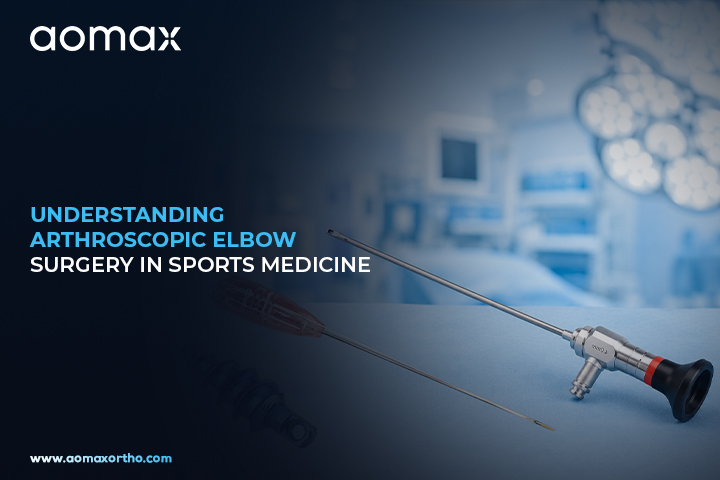
Understanding Arthroscopic Elbow Surgery in Sports Medicine
Elbow Arthroscopy Introduction
Elbow arthroscopy is a minimally invasive surgical procedure used to diagnose and treat selected conditions affecting the elbow joint. The surgeon inserts a small camera called an arthroscope through small incisions to examine the joint and guide specialized surgical instruments. Aomax Ortho provides orthopedic implants and sports medicine fixation solutions that may be relevant to selected soft tissue repair procedures associated with elbow surgery.
Advanced Techniques in Elbow Arthroscopy and Joint Repair
Elbow arthroscopy is used to treat selected conditions such as loose bodies, joint stiffness, cartilage abnormalities, and certain forms of bone spurs. The surgeon examines the joint using an arthroscope and specialized instruments to address the affected structures. Loose fragments may be removed, and selected areas of excess bone or inflamed tissue may be treated to improve joint movement. In certain cases involving ligament or tendon injuries, appropriate repair techniques may require fixation implants and high-strength sutures. Suture anchors may be used in selected ligament or tendon repair procedures, depending on the injury and surgical approach. The choice of instruments and implants depends on the patient’s condition, anatomy, and the surgeon’s treatment plan.
When Is Elbow Arthroscopy Recommended?
- To remove loose bone or cartilage fragments from the elbow joint.
- To treat selected cases of elbow stiffness and restricted movement.
- To address certain bone spurs that interfere with joint movement.
- To treat selected cartilage abnormalities.
- To remove inflamed tissue in appropriate joint conditions.
- To assess and treat selected causes of persistent elbow pain.
- To address selected joint problems associated with repetitive throwing or sports activities.
- To support treatment planning for certain elbow conditions that have not responded to conservative management.
Products Related to Elbow Arthroscopy
- Titanium Suture Anchor – used for selected soft tissue-to-bone fixation procedures.
- PEEK Suture Anchor – supports selected tendon and ligament repair techniques.
- All-Suture Anchor – designed for selected soft tissue fixation applications.
- Knotless Suture Anchor – used in repair techniques employing knotless fixation.
- Titanium Tendon Repair Anchor – intended for suitable tendon fixation applications.
- Titanium Ligament Repair Anchor – used for selected ligament fixation procedures.
- High-Strength Fiber Suture – used to secure soft tissues during appropriate repairs.
- Fiber Tape – used in selected soft tissue reinforcement and fixation techniques.
- Suture Anchor with Fiber – combines an anchor and suture for suitable fixation procedures.
- Titanium Suture Fixation Anchor – intended for appropriate soft tissue fixation applications.
Countries with Established Elbow Surgery Services
- United States
- China
- India
- Germany
- Japan
Advantages of Arthroscopic Elbow Surgery
- Direct joint visualization: Helps surgeons examine internal elbow structures using a camera.
- Targeted treatment: Allows selected joint abnormalities to be treated through small incisions.
- Loose body removal: Can help remove fragments that interfere with normal joint movement.
- Improved range of motion: Treating selected mechanical restrictions may help restore elbow movement.
- Potentially reduced tissue disruption: Arthroscopy may disturb surrounding tissues less than some open procedures.
- Procedure-specific repair options: Suitable fixation implants can support associated tendon and ligament repairs.
- Functional recovery: Appropriate treatment and rehabilitation may help patients return to daily activities and selected sports.
Get Connected:
+91 98989 50530 | exports@aomaxortho.com | www.aomaxortho.com
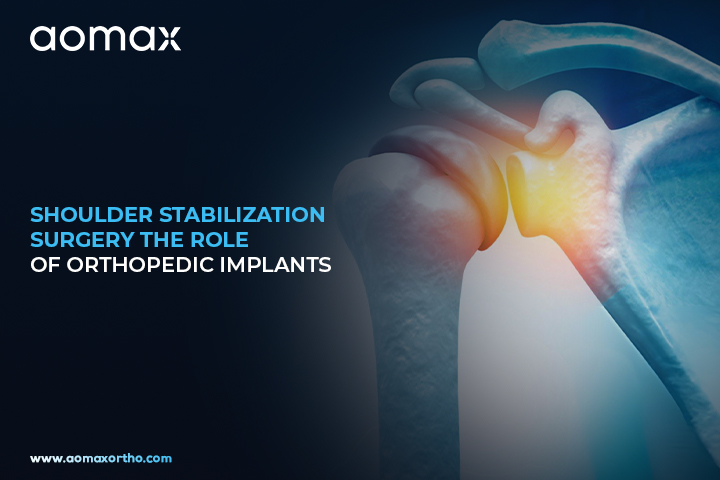
Shoulder Stabilization Surgery - The Role of Orthopedic Implants
Shoulder Arthroscopy Introduction
Shoulder arthroscopy is a minimally invasive surgical procedure used to diagnose and treat problems affecting the shoulder joint and surrounding soft tissues. The surgeon inserts a small camera called an arthroscope through a small incision to examine the joint and guide specialized instruments. Aomax Ortho’s sports medicine implants and fixation solutions are relevant to selected arthroscopic procedures involving tendon repair, labral repair, and shoulder stabilization.
Advanced Techniques in Shoulder Arthroscopy and Soft Tissue Repair
Shoulder arthroscopy is commonly performed to treat rotator cuff tears, labral injuries, shoulder instability, and selected cases of impingement. The surgeon examines the shoulder joint using an arthroscope and inserts specialized instruments through additional small incisions. During rotator cuff or labral repair, suture anchors and high-strength sutures may be used to secure soft tissues to bone. Depending on the injury, titanium or PEEK suture anchors may be selected for fixation. Fiber sutures and fiber tape can support selected tendon and ligament repair techniques. The surgeon chooses the appropriate implants and instruments according to the patient’s anatomy, the injury, and the planned repair.
Why Is Shoulder Arthroscopy Performed?
- To repair rotator cuff tears and selected tendon injuries.
- To treat labral tears, including selected Bankart and SLAP lesions.
- To manage recurrent shoulder instability or dislocation.
- To remove loose fragments from the shoulder joint.
- To address selected cases of shoulder impingement.
- To treat certain conditions involving inflamed or damaged joint tissues.
- To repair selected injuries affecting the biceps tendon attachment.
- To improve shoulder function when a treatable structural problem causes pain or restricted movement.
Products Related to Shoulder Arthroscopy
- Titanium Suture Anchor – used in selected soft tissue-to-bone repair procedures.
- PEEK Suture Anchor – used for selected tendon and labral fixation applications.
- All-Suture Anchor – designed for selected soft tissue repair techniques.
- Knotless Suture Anchor – supports fixation techniques that do not require a conventional knot-tying step at the anchor.
- Titanium Labral Repair Anchor – intended for selected labral repair procedures.
- Titanium Tendon Repair Anchor – used in appropriate tendon fixation applications.
- Titanium Ligament Repair Anchor – supports selected ligament repair techniques.
- High-Strength Fiber Suture – used for soft tissue repair and fixation.
- Fiber Tape – used in selected repair and reinforcement techniques.
- Dog Bone Button (AC Joint) – used in appropriate acromioclavicular joint stabilization procedures.
These products are relevant to different shoulder repair techniques; not every product is used in every arthroscopic operation. The surgeon selects the implant based on the injury, anatomy, and surgical plan.
Shoulder Arthroscopy in Modern Orthopedic Practice
The following countries have established orthopedic and sports medicine services. This is a general list, not a verified ranking of shoulder arthroscopy procedure volumes.
- United States
- China
- India
- Germany
- Japan
Shoulder Arthroscopy Benefits
- Detailed joint visualization: Enables surgeons to inspect shoulder structures using a camera.
- Targeted repair: Allows selected tendon and labral injuries to be treated through small incisions.
- Soft tissue fixation: Suitable anchors and sutures can help secure repaired tissues to bone.
- Shoulder stabilization: Appropriate surgical techniques may help address recurrent instability.
- Potentially less tissue disruption: Arthroscopy may reduce disruption to surrounding tissues compared with some open procedures.
- Procedure-specific implant options: Different anchor materials and designs provide options for selected repair techniques.
- Functional improvement: Successful treatment and rehabilitation may help improve shoulder movement, strength, and stability.
Get Connected:
+91 98989 50530 | exports@aomaxortho.com | www.aomaxortho.com
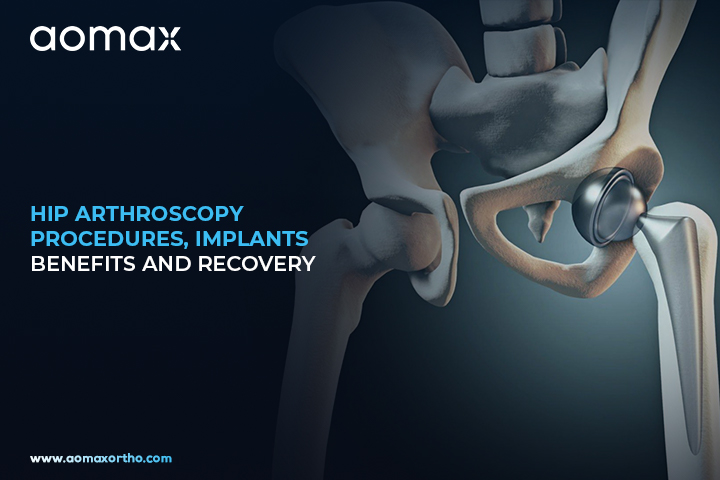
Hip Arthroscopy - Procedures, Implants, Benefits, and Recovery
Understanding Arthroscopic Hip Surgery
Hip arthroscopy is a minimally invasive surgical procedure used to diagnose and treat certain conditions affecting the hip joint. The surgeon inserts a small camera called an arthroscope through small incisions to examine the joint and guide specialized surgical instruments. Aomax Ortho’s orthopedic fixation implants and sports medicine solutions may be relevant to selected procedures involving soft tissue repair and joint stabilization.
Advanced Techniques in Hip Arthroscopy and Joint Repair
Hip arthroscopy is commonly used to treat selected conditions such as femoroacetabular impingement, labral tears, and loose bodies within the hip joint. The surgeon uses an arthroscope to visualize the joint and specialized instruments to address the identified problem. During labral repair, suitable suture anchors and high-strength sutures may be used to secure the labrum to the acetabular rim. Selected procedures may also involve removing excess bone associated with femoroacetabular impingement to improve joint movement. The choice of instruments and fixation implants depends on the patient’s anatomy, the specific injury, and the planned surgical technique. After surgery, rehabilitation helps support healing and the gradual return of hip function.
When Is Hip Arthroscopy Recommended?
- To repair selected acetabular labral tears.
- To treat femoroacetabular impingement (FAI).
- To remove loose bodies from inside the hip joint.
- To address selected cartilage injuries.
- To treat certain conditions involving inflamed joint tissues.
- To assess and manage selected hip joint abnormalities.
- To improve movement when a treatable mechanical problem restricts hip function.
- To address selected conditions affecting the soft tissues around the hip joint.
Sports Medicine Fixation Solutions for Hip Surgery
- PEEK Suture Anchor – used in selected soft tissue-to-bone fixation procedures.
- Titanium Suture Anchor – supports selected tendon and soft tissue repair techniques.
- All-Suture Anchor – designed for selected soft tissue fixation applications.
- Knotless Suture Anchor – used in repair techniques that employ knotless fixation.
- Titanium Labral Repair Anchor – relevant to selected labral fixation procedures.
- High-Strength Fiber Suture – used for soft tissue repair and fixation.
- Fiber Tape – used in selected soft tissue repair techniques.
- Titanium Tendon Repair Anchor – used for suitable tendon fixation applications.
- Titanium Ligament Repair Anchor – intended for selected ligament fixation procedures.
- Suture Anchor with Fiber – provides a combined anchor-and-suture option for suitable repairs.
Top 5 Countries for Hip Arthroscopy
- United States
- China
- India
- Germany
- Japan
How Hip Arthroscopy Supports Joint Preservation
- Detailed joint visualization: Helps surgeons examine internal hip structures directly.
- Targeted treatment: Allows selected joint conditions to be treated through small incisions.
- Labral repair support: Suitable fixation devices can help secure repaired labral tissue.
- Joint preservation: Selected procedures may address mechanical problems while preserving the natural hip joint.
- Potentially less soft tissue disruption: Arthroscopy may reduce disruption compared with some open surgical approaches.
- Treatment of mechanical abnormalities: Selected procedures can address problems that cause catching or restricted movement.
- Support for functional recovery: Appropriate treatment and rehabilitation may improve mobility and daily activities.
Get Connected:
+91 98989 50530 | exports@aomaxortho.com | www.aomaxortho.com
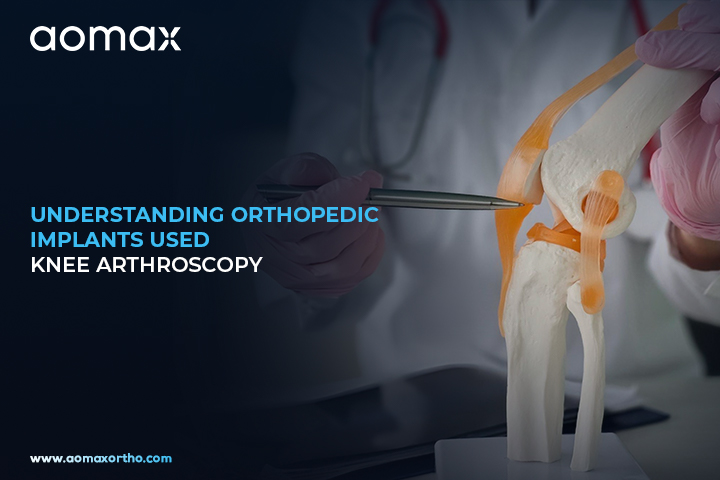
Understanding Orthopedic Implants Used in Knee Arthroscopy
Introduction to Knee Arthroscopy
Knee arthroscopy is a minimally invasive surgical procedure used to diagnose and treat problems inside the knee joint. The surgeon inserts a small camera through a small incision to examine the joint and guide specialized surgical instruments. Aomax Ortho offers orthopedic implants and sports medicine solutions that support selected arthroscopic procedures, including ligament reconstruction and soft tissue repair.
Advanced Techniques in Knee Arthroscopy and Ligament Reconstruction
Knee arthroscopy is commonly used to assess and treat injuries involving the meniscus, articular cartilage, and knee ligaments. During the procedure, the surgeon uses an arthroscope to visualize the joint and specialized instruments to treat the affected structures. Meniscus tears may be managed through repair or removal of damaged tissue, depending on the injury. In anterior cruciate ligament (ACL) reconstruction, a graft may be secured using fixation devices such as an Endo Button or an interference screw. Suture anchors and high-strength fiber sutures may also be used in selected soft tissue repair procedures. The choice of implant depends on the injury, surgical technique, patient anatomy, and the surgeon’s assessment.
Why Is Knee Arthroscopy Performed?
- To diagnose and treat selected meniscus tears.
- To reconstruct a torn anterior cruciate ligament (ACL).
- To treat selected posterior cruciate ligament (PCL) injuries.
- To remove loose cartilage or bone fragments from the knee joint.
- To address certain cartilage injuries.
- To assess and treat selected causes of persistent knee pain or swelling.
- To repair selected soft tissue injuries around the knee.
- To improve knee function when a treatable joint problem restricts movement.
Products Related to Knee Arthroscopy
- Endo Button with Loop – used for graft fixation in selected ligament reconstruction procedures.
- Adjustable Loop Endo Button – supports adjustable graft fixation in suitable procedures.
- Continuous Loop Endo Button – used in selected ligament reconstruction techniques.
- Titanium Interference Screw – used for fixation of a graft within a bone tunnel.
- PEEK Interference Screw – an alternative implant material for selected graft fixation procedures.
- Titanium Suture Anchor – used for selected soft tissue-to-bone repairs.
- PEEK Suture Anchor – supports selected soft tissue fixation procedures.
- High-Strength Fiber Suture – used in ligament, tendon, and soft tissue repair.
- Fiber Tape – used in selected soft tissue reinforcement and fixation techniques.
- Spiked Ligament Staple – used for selected ligament fixation applications.
Knee Arthroscopy in Global Orthopedic Practice
- United States
- China
- India
- Germany
- Japan
Knee Arthroscopy Benefits
- Detailed joint visualization: Helps surgeons inspect internal knee structures through a camera.
- Targeted treatment: Allows selected problems to be treated through small incisions.
- Support for ligament reconstruction: Compatible fixation implants can help secure grafts in appropriate procedures.
- Soft tissue repair: Suitable anchors and sutures can support selected repair techniques.
- Potentially reduced tissue disruption: Arthroscopy may limit disruption to surrounding tissues compared with some open procedures.
- Treatment planning: Direct visualization can help the surgeon assess the condition of the joint.
- Functional recovery: Appropriate treatment and rehabilitation may help improve knee movement and stability.
Get Connected:
+91 98989 50530 | exports@aomaxortho.com | www.aomaxortho.com
Arthroscopy Procedures, Instruments, Implants, and Benefits
Arthroscopy Introduction
Arthroscopy is a minimally invasive surgical procedure used to diagnose and treat problems inside joints. It involves inserting a small camera called an arthroscope through a small incision to provide a clear view of the joint. Specialized arthroscopic instruments and orthopedic implants can help surgeons repair damaged tissues and restore joint stability.
Advanced Arthroscopic Techniques for Joint Diagnosis and Repair
Arthroscopy is commonly used to treat injuries involving the knee, shoulder, hip, ankle, elbow, and wrist. The surgeon inserts an arthroscope through a small incision to examine the joint and identify damaged structures. Specialized instruments, such as an arthroscopy shaver system, may be used to remove selected damaged or unwanted tissue. Suture anchors and high-strength fiber sutures can help secure repaired soft tissues to bone during appropriate procedures. Fixation implants, including Endo Buttons and interference screws, may be used in selected ligament reconstruction surgeries. The choice of instruments and implants depends on the joint, injury, surgical technique, and surgeon’s treatment plan.
Why Is Arthroscopy Performed?
- To repair meniscus tears and selected cartilage injuries.
- To reconstruct damaged ligaments, including the ACL.
- To treat selected rotator cuff tears and shoulder instability.
- To repair labral injuries in the shoulder or hip.
- To remove loose fragments from inside a joint.
- To treat selected tendon and ligament injuries.
- To address certain joint conditions causing pain or restricted movement.
- To support joint stability through appropriate arthroscopic repair and fixation techniques.
Orthopedic Fixation Solutions for Arthroscopy
The following Aomax Ortho product categories and examples are relevant to arthroscopic surgery, depending on the procedure.
- Arthroscopy Shaver System – for driving compatible blades and surgical cutters.
- Arthro Pump – for fluid management during arthroscopic procedures.
- PEEK Suture Anchor – for selected soft-tissue-to-bone repairs.
- Titanium Suture Anchor – for selected tendon and ligament fixation procedures.
- High-Strength Fiber Sutures – for soft tissue repair and fixation.
- Endo Button with Loop – for cortical fixation in selected ligament reconstructions.
- Titanium Interference Screw – for selected graft fixation procedures.
- PEEK Interference Screw – for selected ligament reconstruction procedures.
- Suture Anchor with Endo Button – a combined fixation option for selected reconstruction procedures.
- Arthroscopy Shaver Blades – for tissue removal and debridement using a compatible shaver system.
Countries with Established Arthroscopy Services
The following countries have established orthopedic and sports medicine services. This is a general list, not a verified ranking of arthroscopy procedure volumes.
- United States
- China
- India
- Germany
- Japan
Arthroscopy Benefits
- Minimally invasive approach: Many arthroscopic procedures use small incisions rather than a large surgical opening.
- Direct joint visualization: The arthroscope allows surgeons to examine joint structures on a monitor.
- Targeted repair: Specialized instruments and implants support treatment of specific injuries.
- Soft tissue fixation: Appropriate suture anchors and sutures can secure repaired tissues to bone.
- Ligament reconstruction support: Selected fixation devices help secure grafts during reconstruction.
- Procedure-specific solutions: Instruments and implants can be selected according to the joint and injury.
- Potential for functional improvement: Successful treatment and rehabilitation may help restore movement and joint stability.
Get Connected:
+91 98989 50530 | exports@aomaxortho.com | www.aomaxortho.com
Understanding the Role of ABS Buttons in Orthopedic Surgery
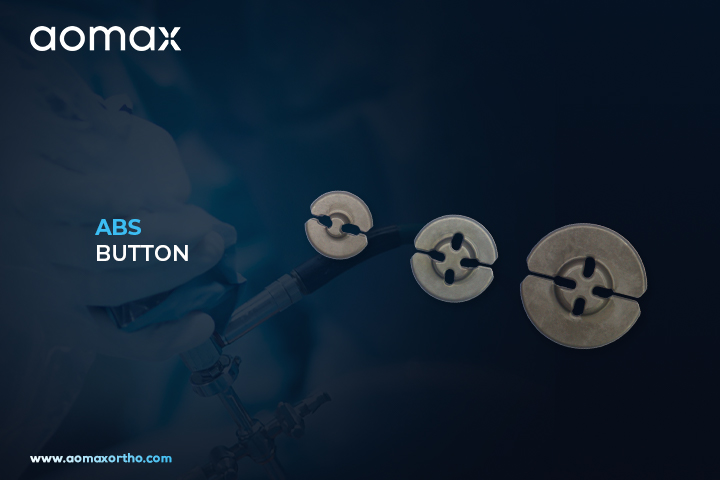
ABS Button
The ABS Button is an orthopedic fixation component designed for use in compatible orthopedic fixation systems. It may serve as a supporting button for securing sutures or soft tissues to bone, depending on the specific product design and intended application. Proper selection depends on the button’s dimensions, material specifications, fixation method, and compatibility with the associated implant system.
ABS Button History
Orthopedic fixation buttons have become useful components in procedures requiring soft-tissue fixation and stabilization. Their design supports the attachment and positioning of sutures or other compatible fixation elements during selected orthopedic procedures. Different button materials and configurations are available to suit the requirements of particular surgical techniques. ABS Button designs should be selected according to verified product specifications and the intended fixation application.
Short Description
The ABS Button is an orthopedic fixation component intended for use with compatible fixation systems. Its design may support the positioning and securing of sutures or soft tissues in selected orthopedic procedures. The product should be used with compatible implants and instruments according to the manufacturer’s instructions. Correct sizing and material verification are important for appropriate application. Aomax Ortho offers orthopedic implant components for professional use in compatible surgical procedures.
Surgeries Related to Product
- Ligament reconstruction surgery
- Knee ligament reconstruction
- Anterior cruciate ligament (ACL) reconstruction, where compatible
- Posterior cruciate ligament (PCL) reconstruction, where compatible
- Selected sports medicine procedures
- Soft-tissue fixation procedures
- Tendon fixation procedures, where compatible
- Other orthopedic procedures requiring a compatible button-based fixation system
Instructions for Use
- Verify the button’s material, dimensions, and intended application before use.
- Confirm compatibility with the relevant sutures, fixation devices, and surgical instruments.
- Prepare the surgical site according to the applicable procedure and approved technique.
- Position the button using the specified surgical method.
- Secure the compatible fixation components according to the manufacturer’s instructions.
- Check the fixation assembly and placement before completing the procedure.
- Use only by qualified healthcare professionals following the product’s instructions for use.
Top 10 Countries for Related Surgeries
- United States
- Germany
- United Kingdom
- India
- France
- Japan
- Italy
- South Korea
- Australia
- Canada
Product Also Known As
ABS Orthopedic Button, ABS Fixation Button, Orthopedic ABS Button, Surgical Fixation Button, Ligament Fixation Button, Soft Tissue Fixation Button, Orthopedic Suture Button, Bone Fixation Button, ACL Fixation Button, Sports Medicine Fixation Button, Orthopedic Implant Button, Surgical Button Implant
Market Demand and Global Trends
Orthopedic fixation components are used in a range of procedures involving ligament reconstruction, sports injuries, and soft-tissue stabilization. Demand for these products is influenced by developments in sports medicine, orthopedic surgical techniques, and implant-system design. Buyers and healthcare providers typically evaluate material specifications, dimensions, mechanical performance, traceability, and compatibility with existing surgical systems. Clear technical documentation and appropriate quality controls are important considerations for manufacturers, distributors, and healthcare facilities.
Aomax Ortho ABS Button Description
Aomax Ortho provides orthopedic implant components intended for professional use in compatible surgical applications. The ABS Button should be selected according to its verified material composition, design, dimensions, and intended fixation method. Healthcare professionals and distributors should review the applicable product specifications and instructions before determining its suitability for a particular procedure.
Get Connected:
+91 98989 50530 | exports@aomaxortho.com | www.aomaxortho.com
The Role of Spike Washers in Orthopedic Fixation Systems
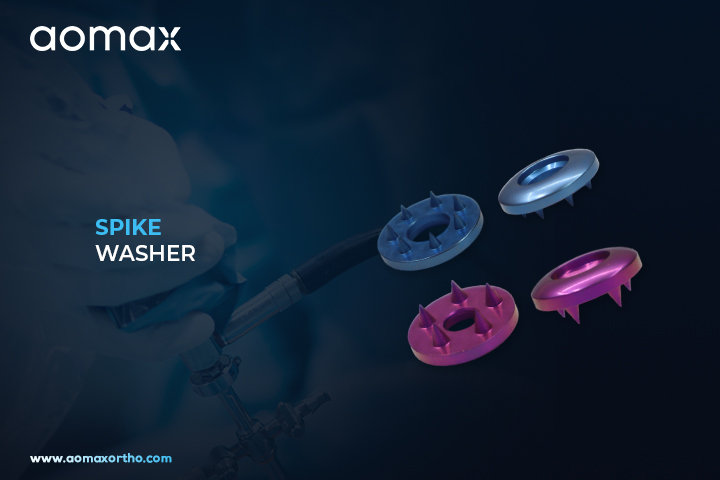
Spike Washer:
Spike Washer 4.0 MM & 6.5 MM are orthopedic fixation components designed to support compatible screw-based fixation systems. Their washer configuration provides a contact surface around the fixation point, while the spikes are designed to engage the bone surface. The two size options offer flexibility for different fixation requirements, depending on the implant system and surgical technique.
Spike Washer History:
Orthopedic washers have long been used with fixation screws to provide support around the screw entry point. Spike washer designs incorporate projections intended to engage the bone surface and help maintain the position of the fixation assembly. Different sizes, including 4.0 mm and 6.5 mm configurations, allow surgeons to select compatible components according to the intended application and implant specifications.
Short Description:
Aomax Ortho Spike Washer 4.0 MM & 6.5 MM is designed for use in compatible orthopedic fixation applications. The spike configuration is intended to engage the bone surface and support positioning of the fixation assembly. Available size options help accommodate different screw systems and procedural requirements. These components can be selected for suitable orthopedic and sports medicine procedures according to the intended application. Correct sizing and compatibility should be confirmed using the manufacturer’s product specifications.
Surgeries Related to Product:
- Knee ligament reconstruction
- Tendon and ligament fixation
- Selected sports medicine procedures
- Orthopedic screw fixation procedures
- Soft-tissue fixation to bone, where compatible
- Selected reconstructive orthopedic procedures
Instructions for Use:
- Select the appropriate 4.0 mm or 6.5 mm washer according to the compatible fixation system.
- Confirm the washer dimensions and screw compatibility before use.
- Prepare the fixation site according to the established surgical procedure.
- Position the washer at the intended fixation site.
- Secure the fixation assembly according to the applicable surgical technique.
- Confirm correct positioning and fixation stability.
- Use only by qualified healthcare professionals according to the manufacturer’s instructions for use.
Top 10 Countries of Surgeries:
- United States
- Germany
- United Kingdom
- India
- France
- Japan
- Italy
- South Korea
- Australia
- Canada
Clinical Benefits:
- Provides a defined contact surface for compatible fixation screws.
- Spike configuration is designed to engage the bone surface.
- Available in two size options to support product selection.
- Supports positioning of compatible orthopedic fixation assemblies.
- Suitable for selected orthopedic applications when used as intended.
- Offers a specialized component for compatible fixation techniques.
Frequently Used Product Combination:
- Compatible orthopedic fixation screws
- Tibial Post Screw
- Ligament fixation components
- Spike Ligament Staple
- Orthopedic fixation instruments
- Compatible washers and screws specified for the implant system
Aomax Ortho Spike Washer 4.0 MM & 6.5 MM Description:
Aomax Ortho supplies Spike Washer 4.0 MM & 6.5 MM for compatible orthopedic fixation applications. These components are designed to provide a defined washer surface and a spike configuration for use with appropriate fixation systems. Selection should be based on verified product dimensions, screw compatibility, and the intended surgical application.
Get Connected:
+91 98989 50530 | exports@aomaxortho.com | www.aomaxortho.com
A Complete Guide to Spike Ligament Staple in Orthopedic Reconstruction
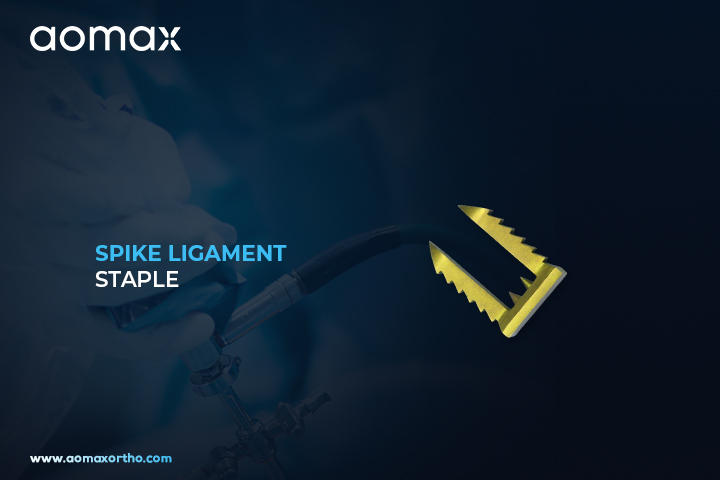
Spike Ligament Staple:
Spike Ligament Staple is an orthopedic fixation implant designed to secure tendon and ligament grafts to bone during reconstructive procedures. Its spike configuration is designed to provide anchoring within the bone and support stable graft fixation. It can be used in selected ligament reconstruction and sports medicine applications where secure soft-tissue-to-bone fixation is required.
Spike Ligament Staple History:
Ligament staples were developed as mechanical fixation devices for securing soft tissue and ligament grafts to bone during orthopedic reconstruction. Spike configurations were introduced to improve anchoring by providing points of engagement with the bone surface. These fixation devices continue to be used in selected ligament reconstruction procedures where staple-based fixation is appropriate.
Short Description:
Aomax Ortho Spike Ligament Staple is designed to provide mechanical fixation of tendon and ligament grafts to bone during reconstructive orthopedic procedures. Aomax Ortho provides this staple with a spike configuration intended to engage the bone and support graft stabilization. The design can help maintain graft positioning during the reconstruction procedure. It is suitable for selected ligament fixation techniques in orthopedic and sports medicine applications. The implant can be selected according to the graft, bone site, and surgical fixation requirements.
Surgeries Related to Product:
- ACL reconstruction
- Knee ligament reconstruction
- Tendon graft fixation
- Ligament repair
- Soft tissue-to-bone fixation
- Arthroscopic ligament reconstruction
- Sports injury reconstruction
Instructions for Use:
- Select the appropriate Spike Ligament Staple according to the graft and surgical technique.
- Prepare the fixation site according to the established surgical procedure.
- Position the graft correctly at the intended bone fixation site.
- Place the staple over the graft according to the applicable technique.
- Engage the spikes securely with the prepared bone surface.
- Confirm stable graft positioning and fixation.
- Verify the reconstruction before completing the procedure.
- Use only by qualified healthcare professionals according to the applicable instructions for use.
Top 10 Countries of Surgeries:
- United States
- Germany
- United Kingdom
- India
- France
- Japan
- Italy
- South Korea
- Australia
- Canada
Clinical Benefits:
- Provides mechanical fixation of ligament and tendon grafts to bone.
- Spike configuration supports bone engagement.
- Helps maintain graft positioning during reconstruction.
- Suitable for selected soft-tissue-to-bone fixation procedures.
- Compact design supports placement at appropriate fixation sites.
- Useful for orthopedic and sports medicine applications.
- Provides an alternative to screw-based graft fixation techniques where clinically appropriate.
Market Demand and Global Trends:
Ligament fixation staples continue to have applications in orthopedic and sports medicine procedures where direct mechanical soft-tissue-to-bone fixation is required. Spike configurations provide an additional fixation option for selected graft stabilization techniques. Growing demand for ligament reconstruction and sports injury treatment supports the need for different graft fixation solutions. Orthopedic manufacturers continue to offer specialized fixation designs to meet varying surgical requirements.
Aomax Ortho Spike Ligament Staple Description:
Aomax Ortho is a leading manufacturer and supplier of Spike Ligament Staple, providing orthopedic fixation implants designed to support tendon and ligament graft fixation to bone during reconstructive procedures. Its spike configuration provides a mechanical anchoring option for selected orthopedic, ligament reconstruction, and sports medicine applications.
Get Connected:
+91 98989 50530 | exports@aomaxortho.com | www.aomaxortho.com
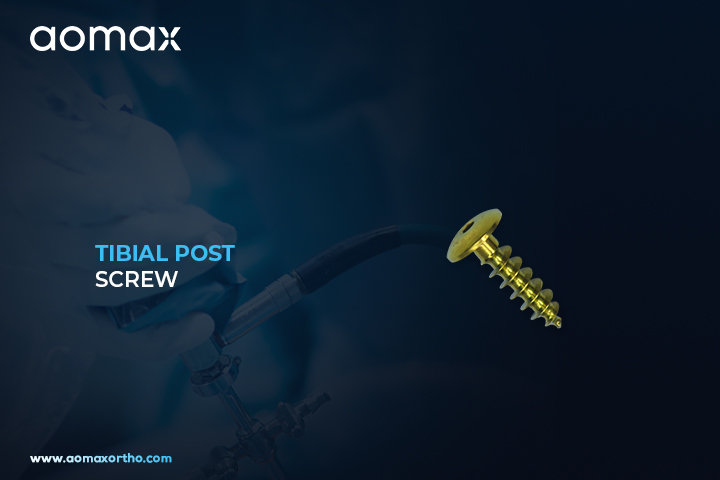
Applications of Tibial Post Screw in Orthopedic Ligament Surgery
Tibial Post Screw Introduction:
Tibial Post Screw is an orthopedic fixation implant designed to support ligament graft fixation at the tibial side during reconstructive procedures. It is used with compatible fixation techniques to help secure graft tissue against the tibial surface. The screw provides mechanical fixation and is commonly associated with ligament reconstruction and sports medicine applications.
Tibial Post Screw History:
Tibial post fixation techniques were developed to provide an alternative method for securing ligament grafts at the tibial side during reconstructive surgery. The technique uses a fixation screw and compatible post configuration to hold the graft securely against the bone. Tibial post screws are used in selected ligament reconstruction procedures where extra-articular graft fixation is required.
Short Description:
Aomax Ortho Tibial Post Screw is designed to support fixation of tendon and ligament grafts at the tibial side during orthopedic reconstruction. Aomax Ortho provides this fixation implant with a threaded configuration intended to support secure mechanical fixation. The screw can be used with compatible washers or post fixation components according to the selected surgical technique. It is suitable for ligament reconstruction procedures where tibial-sided graft fixation is required. The implant supports stable graft positioning during orthopedic and sports medicine procedures.
Surgeries Related to Product:
- ACL reconstruction
- PCL reconstruction
- Knee ligament reconstruction
- Ligament graft fixation
- Extra-articular ligament fixation
- Arthroscopic ligament reconstruction
- Sports injury reconstruction
Instructions for Use:
- Select the appropriate Tibial Post Screw according to the graft and surgical technique.
- Prepare the tibial fixation site according to the established procedure.
- Position the graft appropriately at the tibial fixation site.
- Secure the graft using the Tibial Post Screw and compatible fixation components.
- Apply appropriate graft tension according to the surgical technique.
- Confirm secure fixation and graft positioning.
- Verify stability before completing the reconstruction.
- Use only by qualified healthcare professionals according to the applicable instructions for use.
Top 10 Countries of Surgeries:
- United States
- Germany
- United Kingdom
- India
- France
- Japan
- Italy
- South Korea
- Australia
- Canada
Product Also Known As:
Tibial Post Screw, tibial ligament fixation screw, tibial graft fixation screw, ACL tibial post screw, tibial post fixation implant, knee ligament fixation screw, orthopedic tibial fixation screw, tibial graft stabilization screw
Frequently Used Product Combination:
- ACL graft
- Tibial post washer
- Tibial fixation components
- Endo Button
- Titanium Endo Button
- Titanium interference screw
- PEEK interference screw
- Arthroscopic instruments
Market Demand and Global Trends:
Tibial fixation implants continue to be used in orthopedic and sports medicine procedures requiring secure graft fixation. Ligament reconstruction, particularly ACL surgery, remains an important application area for tibial fixation systems. Different fixation techniques allow surgeons to select implants according to graft type, bone quality, and surgical requirements. Continued growth in arthroscopic sports medicine procedures supports demand for specialized ligament reconstruction fixation devices.
Aomax Ortho Tibial Post Screw Description:
Aomax Ortho is a leading manufacturer and supplier of Tibial Post Screw, providing orthopedic fixation implants designed to support tibial-sided tendon and ligament graft fixation during reconstructive procedures. The screw is suitable for selected knee ligament reconstruction, orthopedic, and sports medicine applications.
Get Connected:
+91 98989 50530 | exports@aomaxortho.com | www.aomaxortho.com