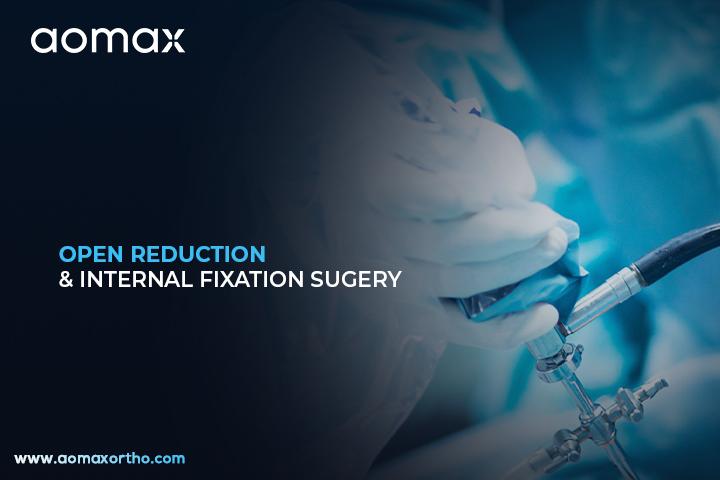
Open Reduction and Internal Fixation – Effective Surgical Solution for Complex Fractures
What is Open Reduction and Internal Fixation?
Open Reduction and Internal Fixation (ORIF) is a surgical procedure used to treat broken bones that cannot heal properly with casting alone. The surgery involves realigning the bone fragments and securing them with metal hardware such as plates, screws, or rods. This method helps restore the bone’s normal function and alignment, promoting faster and more reliable healing.
Surgical Technique and Procedure Details
In ORIF surgery, the surgeon first makes an incision near the fracture site to expose the broken bone. Specialized tools such as bone clamps and retractors are used to carefully hold tissues aside for clear access. The surgeon manually aligns the bone fragments into their correct position, which is called “open reduction.” Then, metal implants like plates, screws, or intramedullary nails are secured to the bone to stabilize the fracture internally. These implants are often made of titanium or stainless steel for strength and compatibility with the body. The hardware maintains proper alignment and supports healing, allowing early movement and reducing the chance of improper bone union.
When is ORIF Necessary?
- To treat complex fractures that cannot heal properly with casting alone.
- To stabilize bones that are displaced or misaligned after injury.
- To allow early movement and reduce complications from prolonged immobilization.
- To repair fractures in weight-bearing bones like the femur or tibia that need strong internal support.
Surgical Equipment and Devices for ORIF
- General Orthopedic Instrument Set – Includes tools like bone clamps, forceps, and chisels essential for fracture management.
- DHS/DCS Instrument Set – Used for dynamic hip and compression screw fixation.
- Intramedullary Nails (IM Nails) – Metal rods inserted into the bone marrow cavity to stabilize fractures.
- Bone Plates – Flat metal pieces fixed onto bones to maintain alignment.
- Bone Screws – Used to secure plates or other fixation devices to bones.
- External Fixators – Devices applied outside the body to stabilize bones during healing.
- Orthopedic Power Tools – Including drills and saws for precise surgical procedures.
- Orthopedic Drill Bits – Specialized bits for creating holes in bones for screw placement.
- Bone Grafting Materials – Used to promote bone healing in certain fractures.
- Sterile Surgical Drapes and Gloves – Essential for maintaining a sterile surgical environment.
Top Nations by ORIF Surgery Volume:
- United States
- Germany
- Japan
- India
- Brazil
How ORIF Improves Patient Outcomes:
- Provides strong internal support for proper bone healing.
- Allows patients to begin physical therapy earlier.
- Reduces the risk of bone malunion or nonunion.
- Minimizes long-term disability caused by improperly healed fractures.
- Helps restore the normal function and alignment of the injured limb.
Aomax Ortho is a leading manufacturer of Open Reduction and Internal Fixation (ORIF) related products, providing high-quality surgical implants and instruments.
Get Connected:
+91 98989 50530 | exports@aomaxortho.com | www.aomaxortho.com

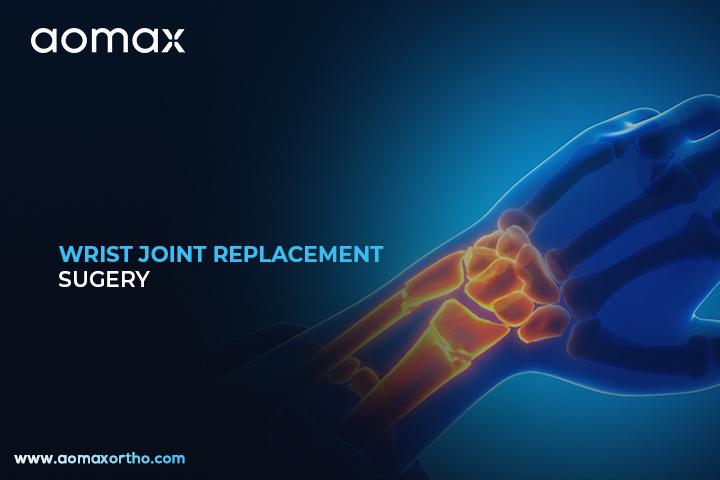
Wrist Joint Replacement – Comprehensive Orthopedic Surgery for Joint Repair
Overview of Wrist Joint Replacement
Wrist joint replacement surgery, also known as wrist arthroplasty, involves removing the damaged radiocarpal joint and replacing it with a prosthetic implant to reduce pain . It is most often offered when wrist arthritis or prior surgical treatments fail to relieve chronic stiffness or loss of motion. The artificial joint uses metal and plastic components to mimic a healthy wrist and help restore flexibility
Restoring Mobility Through Modern Wrist Arthroplasty
A precise incision is made on the back of the wrist to expose the radiocarpal joint. Damaged cartilage and bone are carefully removed, and the surgeon trial-fits radial and carpal components of the prosthesis to ensure correct sizing. Using alignment guides or jigs, the final implant components—usually cobalt-chromium stems and a high-density polyethylene spacer—are fixed with screws or bone cement depending on implant design. Surgeons use specialized instruments such as rasps, bone cutters, and trial handles to shape the bone and seat the implant. Once the joint is sealed and motion tested, soft tissues are closed in layers, and the wrist is immobilized in a splint or cast. This helps reduce postoperative swelling and supports the newly implanted joint
Conditions Treated by Wrist Replacement
- Severe wrist pain and reduced motion caused by advanced osteoarthritis.
- Chronic wrist stiffness and bone destruction due to rheumatoid arthritis.
- Post-traumatic arthritis following a distal radius or carpal fracture.
- Failed wrist fusion or reconstructive surgery leading to persistent symptoms.
- Wrist instability or collapse from avascular necrosis of carpal bones
Surgical Instruments and Implants Used
- Wrist Arthroplasty Prosthesis Kit (radial and carpal implant components)
- Trial Implant and Alignment Jig Set
- Small Fragment T-Locking Plate (used for distal radius fixation) – Locking Plates category
- Cancellous and Cortical Bone Screws (for fixation) – Bone Screw category
- Bone Cement (polymethylmethacrylate) for cemented implants
- Electric or Battery-Operated Orthopedic Drill (for precise bone preparation)
- Rasp and Bone Cutter Instruments (part of general orthopedic instrument set)
- Arthroscopy Shaver and Irrigation Pump (for soft-tissue debridement around the wrist)
- Digital Tourniquet Machine (to control bleeding during surgery)
- Surgical Retractor Set (for soft-tissue exposure)
Global Wrist Replacement Surgery Leaders
- United States (largest wrist arthroplasty market globally)
- Germany (rapidly expanding implant adoption, strong registry data)
- United Kingdom
- China (emerging market with increasing procedure volume and demand)
- Canada (widespread arthroplasty adoption with pooled surgical outcomes)
Positive Outcomes of Wrist Arthroplasty
- Significantly reduces or eliminates pain from arthritic or damaged wrist joints.
- Preserves wrist range of motion, unlike fusion, improving daily function.
- Enhances grip strength and hand dexterity needed for activities like typing or cooking.
- Decreases dependency on long-term anti-inflammatory and analgesic medications.
- Improves overall quality of life by enabling light manual tasks without stiffness or fatigue.
- Avoids rigid wrist position, offering better long-term ergonomics for tasks and posture.
Aomax Ortho is a leading manufacturer and exporter of orthopedic implants, instruments, and wrist-related surgical kits, including locking plates, screws, bone drills, and trial sets often used in wrist joint replacement surgery
Get Connected:
+91 98989 50530 | exports@aomaxortho.com | www.aomaxortho.com
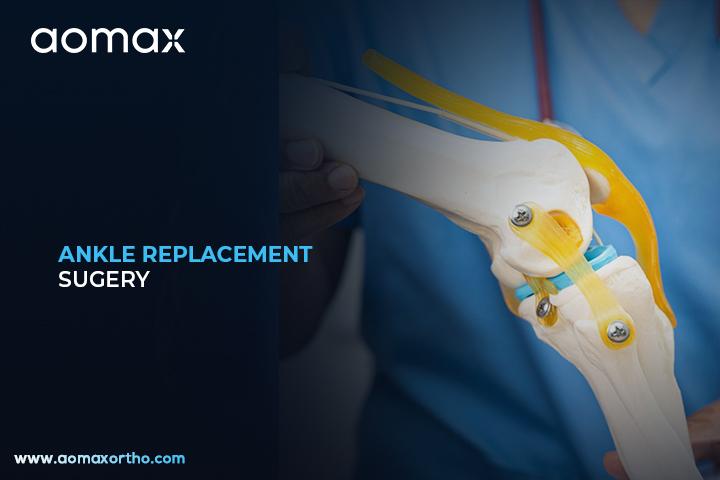
Ankle Replacement – Effective Treatment for Damaged Ankle Joints
Overview of Ankle Joint Replacement
Ankle replacement surgery involves removing a damaged ankle joint and replacing it with an artificial one. It helps restore movement and reduce pain caused by arthritis or injury. This surgery is an option when other treatments, like medication or physical therapy, no longer work well.
Surgical Procedure Explained
Ankle replacement surgery starts with the surgeon making an incision around the ankle to access the joint. Damaged bone and cartilage are carefully removed to prepare the area for the implant. The artificial ankle joint is usually made of metal and plastic components that mimic natural movement. Specialized tools are used to position and secure the implant precisely in place. The surgeon then closes the incision with stitches or staples and applies a bandage or cast to protect the area. This surgery helps improve joint function, reduce pain, and increase mobility.
Medical Indications
- Severe ankle arthritis causing chronic pain and stiffness
- Ankle joint damage due to trauma or fractures
- Loss of ankle function affecting daily activities
- Failure of conservative treatments like medication or braces
Tools and Implants Used
- Ankle prosthesis implants (metal/plastic)
- Surgical saws and drills
- Bone cement or fixation screws
- Surgical retractors
- Sterile surgical gloves
- Ankle braces or immobilizers (post-surgery)
- Surgical sutures or staples
- Tourniquet system
- Sterile drapes and gowns
- Irrigation systems for wound cleaning
Global Centers of Ankle Replacement Surgery
- United States
- Germany
- United Kingdom
- Canada
- Australia
Key Benefits of the Surgery
- Provides pain relief in severely damaged ankles
- Restores near-normal ankle motion and function
- Allows patients to return to daily activities with less discomfort
- Reduces the need for long-term pain medications
- Improves overall quality of life by enhancing mobility
Aomax Ortho is a leading manufacturer of ankle replacement surgery-related products, providing high-quality implants and surgical tools used worldwide.
Get Connected:
+91 98989 50530 | exports@aomaxortho.com | www.aomaxortho.com
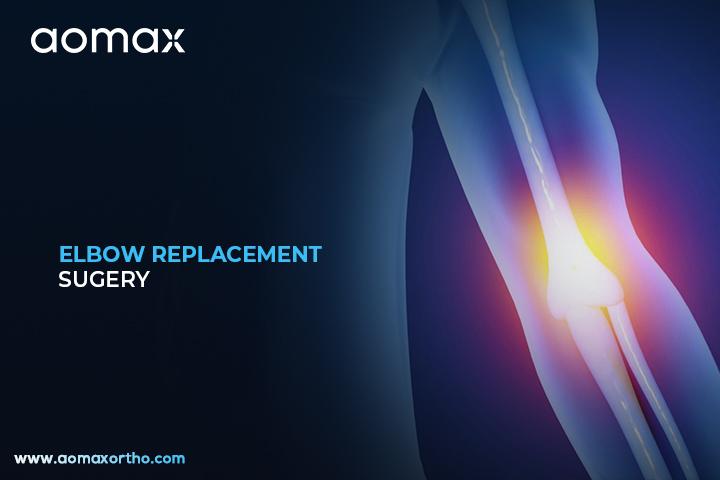
Elbow Replacement Surgery – Advanced Orthopedic Solution for Joint Pain
Introduction to Elbow Joint Replacement
Elbow replacement surgery involves replacing a damaged or arthritic elbow joint with an artificial implant. This procedure is considered when other treatments, such as medication or physical therapy, have not relieved pain or improved function. The goal is to restore movement and reduce discomfort in the elbow.
Conducting an Elbow Joint Replacement
During the surgery, the surgeon removes the damaged surfaces of the humerus (upper arm bone) and ulna (forearm bone). Specialized tools are used to prepare the bones for the implant, which may be made of metal and plastic. The artificial joint is then carefully positioned to restore the natural hinge motion of the elbow. Surgeons may use bone cement or press-fit techniques to secure the implant. The procedure typically takes a few hours and requires a hospital stay. Post-operative rehabilitation is essential for optimal recovery.
When Is Elbow Replacement Necessary?
- Severe osteoarthritis causing persistent pain and limited movement
- Rheumatoid arthritis leading to joint deformity and dysfunction
- Complex fractures that cannot be repaired with other methods
- Failed previous elbow surgeries resulting in ongoing problems
Essential Tools and Implants for Elbow Surgery
- Total Elbow Prosthesis
- Bone Cement (e.g., PMMA)
- Surgical Retractors
- Orthopedic Drill Systems
- Bone Saw
- Surgical Screws and Plates
- Sterile Surgical Gloves
- Surgical Sponges
- Post-operative Elbow Brace
- Irrigation System
Top Countries Performing Elbow Joint Replacements
- United States
- Germany
- United Kingdom
- Canada
- Japan
Why Choose Elbow Joint Replacement?
- Alleviates chronic elbow pain
- Enhances range of motion and joint flexibility
- Improves quality of life by restoring daily function
- Reduces the need for long-term medication
- Facilitates quicker recovery compared to joint fusion
Aomax Ortho is a leading manufacturer of elbow replacement related products, providing high-quality implants and surgical instruments worldwide.
Get Connected:
+91 98989 50530 | exports@aomaxortho.com | www.aomaxortho.com
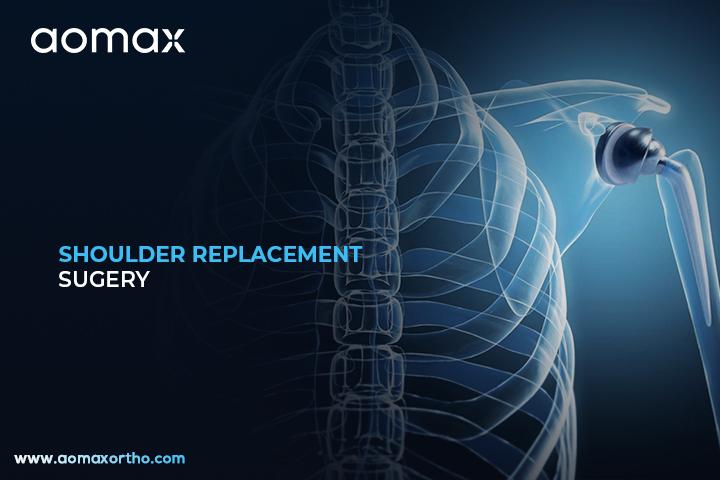
Shoulder Replacement Surgery – Restoring Mobility and Comfort
Overview Of Shoulder Replacement Surgery
Shoulder replacement surgery is a procedure where a surgeon removes parts of a damaged shoulder joint and replaces them with artificial implants. It is commonly performed when arthritis, injury, or joint wear causes persistent pain and limited movement. This operation aims to restore shoulder function and reduce discomfort.
Precision in Motion – How Shoulder Replacement Surgery Works
During the procedure, the damaged humeral head is removed and replaced with a metal ball fixed on a stem that fits into the upper arm bone. The socket (glenoid) may also be resurfaced or replaced with a plastic cup component. Surgeons use tools like bone saws, orthopedic drills, reamers, and trial prosthesis kits to prepare the bone and fit the implant. Devices such as surgical retractors, a cement gun, and trial implants help ensure precise fit and alignment. In many cases. Antibiotic bone cement is often used to secure the implant in place. Recovery is supported by postoperative physical therapy to restore range of motion and strength.
Indications for Surgery
- Severe osteoarthritis causing constant pain and restricted shoulder movement
- Rotator cuff tear arthropathy where both tendon damage and joint degeneration occur
- Rheumatoid arthritis deteriorating the shoulder joint
- Avascular necrosis leading to bone collapse in the humeral head
- Failed previous shoulder surgery or instability requiring revision
Surgical Instruments and Implants
- Humeral head prosthesis (metal ball and stem)
- Glenoid component (polyethylene socket implant)
- Bone cement for implant fixation
- Orthopedic power drill
- Surgical bone saw
- Trial prosthesis sizing kit
- Surgical retractors
- Cement gun for controlled delivery
- Cannulated screws for fixation
- Shoulder positioner to stabilize the limb
Leading Nations by Procedure Volume
- United States
- Germany
- United Kingdom
- Canada
- Australia
Clinical Advantages
- Significantly reduces chronic shoulder pain, improving daily comfort
- Restores range of motion, allowing for activities like reaching and lifting
- Enhances muscle strength and joint stability after recovery
- Reduces reliance on long-term pain medications and injections
- Improves overall quality of life by enabling better sleep, function, and independence
Aomax Ortho is a leading manufacturer of shoulder replacement surgery-related products, offering high-quality implants and surgical instruments trusted by orthopedic surgeons globally.
Get Connected:
+91 98989 50530 | exports@aomaxortho.com | www.aomaxortho.com
Revision Joint Replacement – Corrective Orthopedic Procedure for Joint Implants
Overview of Revision Joint Replacement Surgery
Revision joint replacement surgery happens when an existing joint implant fails or wears out. The surgeon removes the old prosthesis and replaces it with a new one. This helps restore pain-free movement and joint function.
Surgical Approach & Method for Revision Implant Replacement
This surgery uses precise removal of the failed implant, taking care to preserve healthy bone and tissue. Surgeons employ specialized extraction tools, modular stems, and bone graft materials to reconstruct the area. The revision implant—either cemented or cementless—is positioned to ensure stability and proper alignment. Titanium or cobalt-chrome components are often used for strength and durability. Cement or bone cement may be applied to fix the prosthesis in place. The procedure restores function and alleviates pain while preventing further complications.
Indications for Revision Joint Replacement Surgery
- The original implant has loosened or become unstable.
- Infection around the implant requires removal of the device.
- Wear or mechanical failure of implant components over time.
- Fracture or bone loss around the implant site.
- Persistent pain or restricted movement after primary arthroplasty.
Essential Surgical Products Used For Revision Joint Replacement Surgery
- Revision Hip Prosthesis (modular femoral stem and acetabular cup)
- Revision Knee Prosthesis (with augments and stems)
- Bone Graft Materials (autograft, allograft)
- Bone Cement (polymethyl methacrylate)
- Extraction Instruments (implant removal tools)
- Orthopedic Power Drill
- Orthopedic Plates and Screws (for fixation)
- Tibial and Femoral Augments
- Trial Components (for sizing and alignment)
- Specialized Revision Instrument Sets (reamers, broaches)
Leading Countries of Revision Joint Replacement Surgery
- United States
- Germany
- United Kingdom
- India
- Australia
Key Outcomes of the Surgery
- Restores joint stability and proper alignment
- Reduces long-term pain and discomfort significantly
- Improves mobility and functional independence
- Corrects complications like implant loosening or infection
- Extends the longevity of the artificial joint
- Allows customized reconstruction to match patient anatomy
Aomax Ortho is a leading manufacturer of Revision Joint Replacement Surgery related products, providing high-quality instruments and implants used globally by orthopedic surgeons
Get Connected:
+91 98989 50530 | exports@aomaxortho.com | www.aomaxortho.com
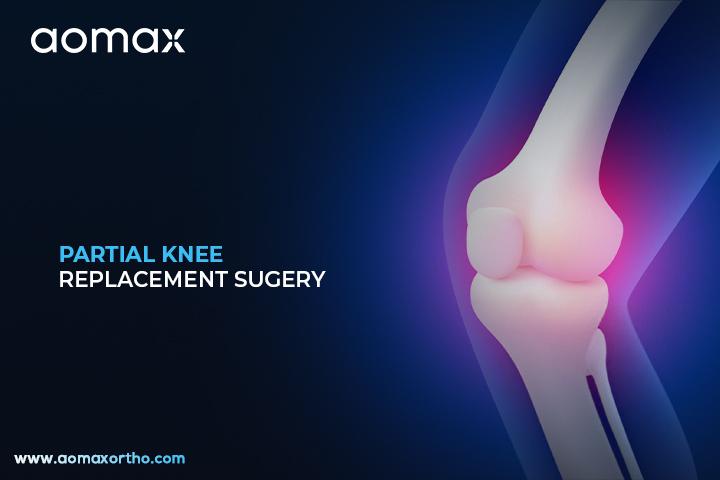
Partial Knee Replacement - A Modern Approach to Joint Pain Relief
Understanding the Basics
Partial knee replacement (also known as unicompartmental knee arthroplasty) replaces only the damaged part of the knee joint, not the entire knee. It is used when arthritis affects just one compartment of the knee. The procedure relieves pain and improves mobility with less recovery time than total knee replacement.
Inside the Operating Room
During partial knee replacement, the surgeon removes only the diseased compartment of the knee and replaces it with metal and plastic implants. A small incision is made to preserve healthy bone and ligaments around the joint. Specialized tools like oscillating saws, alignment guides, trial components, and cement delivery systems ensure precise fit. Implants often use cobalt-chrome femoral components and titanium tibial trays combined with polyethylene inserts. The procedure may be performed under spinal or general anesthesia in a single operative session. Advanced imaging and trial assembly help restore natural joint motion and alignment.
Medical Reasons for Choosing This Option
- Osteoarthritis confined to a single compartment of the knee (medial or lateral)
- Persistent knee pain that does not respond to medication, injections, or physical therapy
- Functioning knee ligaments, especially the ACL, allowing joint stability
- Patients wish to preserve more bone and maintain more natural knee movement
Orthopedic Devices Involved in Surgery
- Oscillating Saw System (for precise bone resection)
- Alignment Guides and Trial Kits for unicompartmental knee systems
- Arthroscopy Shaver System (used in preparation of joint surfaces)
- Arthroscopy Suction Tubes and Irrigation Pump to maintain clear operative field
- HD Camera System for visualization during joint inspection
- Surgical Power Tools (drills, rasps, curettes) from Orthopedic Division
- Bone Rasps and Curettes used in joint preparation
- Orthopedic Bone Cement for implant fixation
- Arthroscopy Instrument Set including forceps and trocars for joint exposure
- Digital Tourniquet Machine to control limb blood flow during surgery
Global Trends in Knee Replacement
- United States
- United Kingdom
- Germany
- Australia
- India
Positive Outcomes You Can Expect
- Preserves healthy bone and ligaments for more natural knee motion
- Typically results in faster recovery and earlier return to normal activity
- Causes less pain and swelling post-operatively compared to total knee replacement
- Reduces surgical trauma with a smaller incision and less tissue disruption
- Offers improved joint function and range of motion, especially for patients with localized knee arthritis
Aomax Ortho is a leading manufacturer of partial knee replacement-related products, offering a complete range of surgical tools and implant systems designed to support precise and effective orthopedic procedures.
Get Connected:
+91 98989 50530 | exports@aomaxortho.com | www.aomaxortho.com
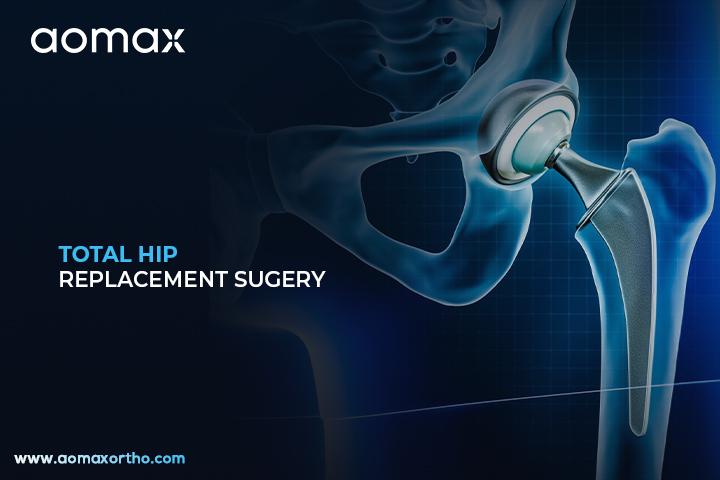
Total Hip Replacement – Restore Function and Improve Quality of Life
Hip Replacement Surgery – A Simple Guide
Total hip replacement is a surgical procedure where a damaged hip joint is replaced with an artificial one. It helps people who have severe hip pain and limited movement due to arthritis or injury. The goal is to relieve pain and improve mobility.
The Mechanics of Hip Joint Replacement
In this procedure, the surgeon removes the damaged parts of the hip joint, including the ball and socket. These are replaced with artificial components usually made of metal, ceramic, or plastic. The surgery is often done under general or spinal anesthesia. Surgeons use special tools like reamers, broaches, and prosthetic implants to ensure a precise fit. The new joint allows smoother movement and better weight-bearing function. Most patients start walking with assistance within a day or two after surgery.
Conditions Leading to Hip Replacement
- Severe osteoarthritis that limits daily activities
- Rheumatoid arthritis causing hip joint damage
- Hip fractures or trauma that can’t heal properly
- Avascular necrosis, where the hip bone loses its blood supply
- Failed previous hip surgery requiring revision
Hip Replacement Surgery Essentials
- Orthopedic Implants
- Bone Drill Machine
- Arthroscopy Set
- Arthroscopy Shaver System
- Arthroscopy Irrigation Pump
- Digital Tourniquet
- Orthopedic Plaster Cutter
- Spinal Endoscopy Equipment
- Neuro Endoscopy Equipment
- Orthopedic Sterilization Box
Worldwide Hip Replacement Surgery Leaders
- United States
- Germany
- United Kingdom
- Australia
- Canada
Why Patients Choose Hip Replacement
- Provides long-term relief from chronic hip pain
- Improves walking, sitting, and overall mobility
- Enhances quality of life by restoring joint function
- Reduces the need for pain medications
- Lowers the risk of joint-related complications in the future
Aomax Ortho is a leading manufacturer of Total Hip Replacement related products, offering high-quality instruments and implants for orthopedic procedures.
Get Connected:
+91 98989 50530 | exports@aomaxortho.com | www.aomaxortho.com
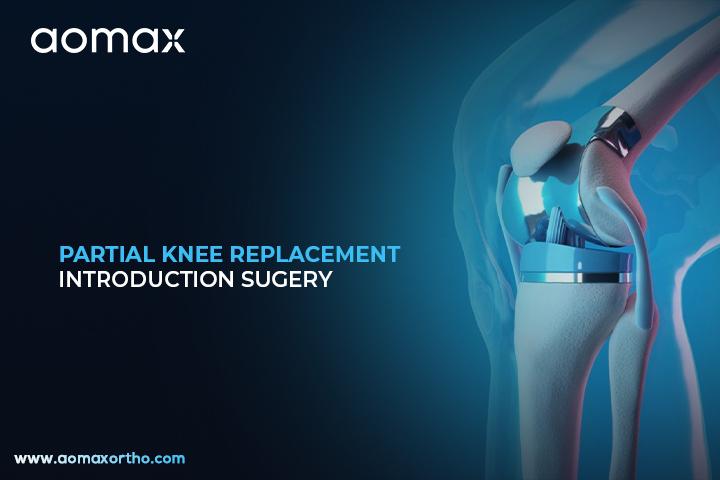
Partial Knee Replacement – Minimally Invasive Surgery for Faster Recovery
Partial Knee Replacement Introduction
Partial Knee Replacement is a surgical procedure that replaces only the damaged part of the knee joint. It is typically done when arthritis is limited to a specific compartment of the knee. This procedure helps relieve pain while preserving more of the patient’s natural knee structure.
Procedure and Instrumentation in Partial Knee Replacement
In Partial Knee Replacement, the surgeon makes a smaller incision compared to total knee surgery to expose only the affected area of the joint. Using specialized tools, the damaged cartilage and bone in one compartment (medial, lateral, or patellofemoral) are removed. The remaining healthy bone and ligaments are left intact. A metal implant is fixed to the prepared bone surfaces, and a plastic spacer is placed between them to enable smooth movement. Precision guides and minimally invasive instruments ensure accurate alignment and fit of the implant. This surgery offers faster recovery and less postoperative pain compared to total knee replacement.
Why It’s Done?
- Unicompartmental osteoarthritis affecting only one part of the knee
- Persistent knee pain not responding to conservative treatments
- Intact ligaments and good range of motion
- Patients seeking less invasive surgical options
- Suitable joint alignment without major deformity
Products Related to Partial Knee Replacement
- Unicompartmental Knee Prosthesis
- Femoral Component (Partial)
- Tibial Tray (Partial)
- Polyethylene Insert (Partial)
- Bone Cement
- Mini Tibial Cutting Guide
- Femoral Sizing Guide
- Alignment Jig (Partial)
- Surgical Bone Saw
- Orthopaedic Surgical Drill
Top 5 Countries of Partial Knee Replacement
- United States
- United Kingdom
- Germany
- Australia
- India
Partial Knee Replacement Benefits
- Preserves healthy bone and ligaments
- Less postoperative pain and faster recovery
- Smaller incision with reduced blood loss
- Better range of motion and more natural knee movement
- Shorter hospital stay and quicker return to daily activities
Aomax Ortho is a trusted manufacturer of Partial Knee Replacement surgical instruments and implants, ensuring precision, performance, and patient satisfaction across global orthopaedic practices.
Get Connected:
+91 98989 50530 | exports@aomaxortho.com | www.aomaxortho.com
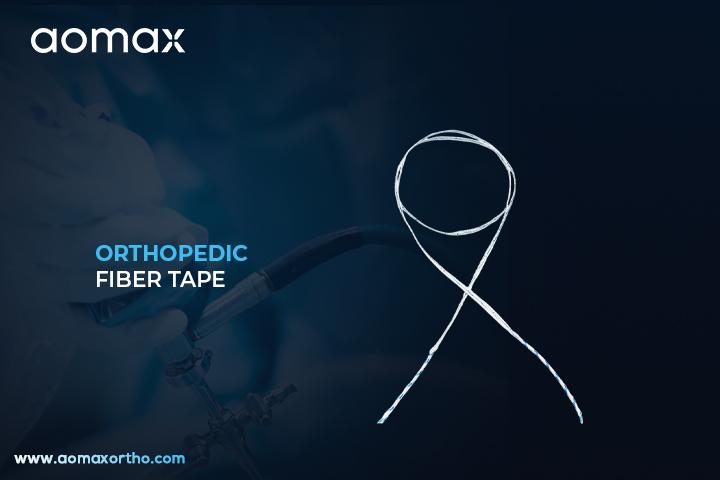
Orthopedic Fiber Tape – Durable, Flat-Braided Suture for Soft Tissue Repair
Fiber Tape
Fiber Tape is a high-strength, flat-braided suture used in orthopedic surgeries for ligament and tendon repairs. Its wide design helps distribute pressure evenly over tissue. This minimizes the risk of suture cutting through soft tissue during healing.
Product History
Fiber-based surgical tapes were developed to provide stronger and broader fixation compared to traditional round sutures. Early orthopedic repairs relied on basic sutures that could damage tissue under tension. The introduction of Fiber Tape brought improved strength, abrasion resistance, and tissue protection. Over time, it has become a preferred choice in both open and arthroscopic soft tissue fixation.
High-Strength Solution for Ligament and Tendon Repair
Aomax Ortho offers Fiber Tape designed for superior tissue fixation in orthopedic procedures. Its wide, flat structure provides excellent load distribution and reduces tissue cut-through risk. The tape is ideal for ligament reconstructions, rotator cuff repairs, and tendon augmentations. Aomax Ortho manufactures this product using high-strength, biocompatible materials for reliable clinical performance. Its smooth texture ensures easy passage through tissue and implants.
Surgeries Related to Product
- Rotator Cuff Repair
- ACL or PCL Reconstruction
- Tendon Augmentation Procedures
- Ligament Repairs in Shoulder, Knee, or Ankle
Instructions for Use
- Select appropriate length of Fiber Tape for the procedure
- Pass Fiber Tape through the implant or tissue as required
- Ensure even tension is applied before securing the knot or fixation device
- Trim excess tape after fixation is complete
- Maintain sterile handling throughout the procedure
Clinical Benefits
- High tensile strength for secure tissue fixation
- Broad surface reduces risk of tissue damage
- Compatible with multiple orthopedic fixation devices
- Enhances healing by maintaining stable tissue alignment
- Easy handling during open or arthroscopic surgeries
Product Also Knows As
Orthopedic Fiber Tape, Flat Suture Tape, High-Strength Surgical Tape, Ligament Repair Fiber Tape, Tendon Augmentation Tape, Arthroscopic Fiber Tape, Soft Tissue Fixation Tape, Rotator Cuff Fiber Tape
Frequently Used Product Combination
- Suture Anchors
- Endo Button or Adjustable Loop Device
- Arthroscopic Cannulas
- Tendon Passer or Suture Passer
- Knotless Fixation Devices
Market Demand and Global Trends
The use of Fiber Tape is expanding rapidly due to the growing adoption of minimally invasive ligament and tendon repair techniques. Surgeons prefer its broad profile for tissue-friendly fixation and reduced risk of repair failure. Sports medicine cases, especially in young and active patients, are driving demand. Technological advancements have improved fiber coating and strength, making Fiber Tape a standard in advanced orthopedic repair systems.
Aomax Fiber Tape Description
Aomax Ortho is a leading manufacturer of Fiber Tape, delivering high-strength, biocompatible fixation solutions designed for secure, tissue-friendly orthopedic repairs in both open and arthroscopic procedures.
Get Connected:
+91 98989 50530 | exports@aomaxortho.com | www.aomaxortho.com