Limb Salvage – Precision Surgery to Restore Function After Bone Tumor or Trauma
Introduction to Limb Preservation Surgery
Limb salvage surgery is an advanced orthopedic procedure aimed at saving a limb that might otherwise require amputation. It involves removing diseased tissue, such as tumors or infected bone, while preserving as much healthy bone, muscle, and nerves as possible. This surgery helps maintain limb function, mobility, and quality of life for patients.
Surgical Technique for Limb Salvage Surgery
Limb salvage surgery begins with detailed imaging studies, including X-rays, CT scans, or MRIs, to evaluate the affected area. Surgeons carefully excise the diseased bone, tumor, or infected tissue while preserving surrounding healthy structures. Specialized instruments like bone saws, curettes, and surgical drills are used to achieve precise removal. In many cases, bone grafts, metallic implants, or prosthetic devices are used to reconstruct the limb. The surgical site is meticulously closed to reduce infection risk, and post-operative imaging confirms the complete removal of diseased tissue. This approach allows patients to retain functional limbs and reduces the psychological impact of amputation.
Indications for Limb Salvage Surgery
- To remove malignant or benign bone tumors while preserving the limb.
- For treatment of severe trauma or fractures that threaten limb viability.
- To address chronic infections or non-healing bone conditions.
- To restore function and mobility while avoiding amputation whenever possible.
Products Related to Limb Salvage Surgery
- Bone Saw
- Curettes
- Surgical Drills
- Bone Screws (Cortical and Cancellous)
- Locking Plates
- Bone Grafts
- Implants (Metallic or PEEK)
- Prosthetic Devices
- Retractors
- Surgical Forceps
- External Fixator
Leading Countries Performing Limb Salvage Surgery
- United States
- Germany
- Japan
- United Kingdom
- India
Limb Salvage Surgery Benefits
- Preserves the patient’s natural limb and appearance.
- Maintains mobility and functional independence.
- Reduces the psychological impact of amputation.
- Restores bone and joint stability.
- Improves overall quality of life and daily activity performance.
Advin Health Care is a globally leading manufacturer of Limb Salvage Surgery related orthopedic products, providing reliable solutions for limb reconstruction and tumor management.
Get Connected:
+91 98989 50530 | ortho@advinhealthcare.com | www.advinortho.com


Limb Lengthening – Modern Orthopedic Technique for Functional Limb Reconstruction
Overview of Limb Lengthening Surgery
Limb lengthening is an orthopedic surgical procedure used to increase the length of bones in the arms or legs. It involves carefully cutting the bone and gradually stretching it using specialized devices. The surgery helps patients correct limb length differences, improve function, and enhance overall mobility.
Surgical Technique and Approach for Limb Lengthening
During limb lengthening, the surgeon first makes a controlled cut in the bone, called an osteotomy. A specialized external or internal fixator is then applied to gradually stretch the bone over time. Instruments like orthopedic drills, pins, screws, and guides are used to ensure precision and stability. The stretching process is gradual, typically done in small increments daily, allowing new bone to form in the gap. Patients are closely monitored with X-rays to ensure proper bone growth and alignment. Rehabilitation and physiotherapy are essential for regaining strength, mobility, and joint function after surgery.
Medical Reasons for Performing Limb Lengthening
- To correct congenital limb length discrepancies.
- To treat limb shortening caused by trauma or fractures.
- To address deformities from diseases like dwarfism or growth plate injuries.
- To improve overall mobility, balance, and walking function.
Products Related to Limb Lengthening Surgery
- External Fixators
- Orthopedic Pins and Wires
- Bone Screws
- Orthopedic Drills and Guide Wires
- Surgical Forceps and Retractors
- Osteotomy Instruments
- Orthopedic Fiber Tape
- Endo Button with Adjustable Loop
- Arthroscopy Instruments
- Arthroscopy Shaver System
Leading Countries Performing Limb Lengthening
- United States
- India
- Germany
- South Korea
- Turkey
Limb Lengthening Benefits
- Corrects limb length differences effectively.
- Enhances mobility and walking ability.
- Improves posture and balance.
- Prevents long-term complications from uneven limbs, like joint strain or scoliosis.
- Boosts self-confidence and quality of life for patients.
Advin Health Care is a globally leading manufacturer of Limb Lengthening related products.
Get Connected:
+91 98989 50530 | ortho@advinhealthcare.com | www.advinortho.com

High Tibial Osteotomy – Restoring Knee Function Through Expert Orthopedic Surgery
Basic Insight into Knee Realignment Surgery
High Tibial Osteotomy (HTO) is a surgical procedure to correct misalignment in the knee caused by arthritis or angular deformities. The surgeon removes or reshapes part of the tibia to shift weight away from the damaged side of the knee. This surgery helps reduce pain, improve knee function, and delay the need for knee replacement.
Surgical Technique and Approach for High Tibial Osteotomy
During HTO, the surgeon makes a precise cut in the upper part of the tibia. The bone is either opened (open-wedge HTO) or removed (closed-wedge HTO) to achieve the desired alignment. Instruments such as orthopedic saws, drills, plates, screws, and guide wires are used for accuracy. The bone is then stabilized using locking plates or fixation devices to maintain proper alignment during healing. The procedure is performed under general or regional anesthesia. Postoperative rehabilitation, including physiotherapy, is essential to restore strength, mobility, and knee function.
Indications for High Tibial Osteotomy
- To correct varus or valgus deformities of the knee.
- To relieve pain from medial or lateral compartment osteoarthritis.
- To improve knee function and stability.
- To delay or prevent the need for total knee replacement in active patients.
Products Related to High Tibial Osteotomy (HTO) Surgery
- Locking Plates (HTO-specific plates)
- Bone Screws (Cortical and Cancellous)
- Kirschner Wires (K-Wires)
- Orthopedic Drills and Drill Bits
- Depth Gauges
- Osteotomes
- Bone Rasp
- Torque Wrenches
- Surgical Retractors
- Instrument Trays and Sterilization Containers
Countries with the Highest HTO Rates
- United States
- Germany
- India
- United Kingdom
- Japan
High Tibial Osteotomy (HTO) Benefits
- Corrects knee alignment for proper load distribution.
- Reduces pain from osteoarthritis or angular deformities.
- Improves mobility, walking patterns, and overall knee function.
- Delays the need for total knee replacement surgery.
- Enhances quality of life and activity levels.
Advin Health Care is a globally leading manufacturer of High Tibial Osteotomy related products.
Get Connected:
+91 98989 50530 | ortho@advinhealthcare.com | www.advinortho.com

Congenital Hip Dislocation – Minimally Invasive Orthopedic Procedure for Hip Reconstruction
Overview of Congenital Hip Dislocation Surgery
Congenital hip dislocation surgery is performed to correct a hip joint that is not properly aligned from birth. The procedure helps position the femoral head correctly into the hip socket. This surgery improves mobility, reduces pain, and prevents long-term joint problems.
Surgical Technique and Approach for Congenital Hip Dislocation
During this surgery, the orthopedic surgeon carefully repositions the femoral head into the acetabulum (hip socket). Depending on the patient’s age and severity, soft tissue release, acetabular osteotomy, or femoral osteotomy may be performed. Instruments such as orthopedic drills, plates, screws, retractors, and guide wires are used to ensure precise alignment. The procedure is generally done under general anesthesia with careful monitoring. Postoperative immobilization with casts or braces helps maintain the hip position. Rehabilitation and physiotherapy are crucial to restore hip function and strengthen surrounding muscles.
Medical Reasons for Performing Hip Realignment
- To correct congenital hip dysplasia present at birth.
- To prevent early-onset arthritis due to joint misalignment.
- To improve walking ability and overall mobility.
- To reduce pain and prevent long-term hip deformities.
Products Related to Congenital Hip Dislocation Surgery
- Pediatric Hip Plates
- Bone Screws (Cortical and Cancellous)
- Kirschner Wires (K-Wires)
- Orthopedic Drills and Drill Bits
- Depth Gauges
- Osteotomes
- Bone Rasp
- Torque Wrenches
- Surgical Retractors
- Instrument Trays and Sterilization Containers
Top 5 Countries of Congenital Hip Dislocation Surgery
- United States
- India
- Germany
- United Kingdom
- Japan
Congenital Hip Dislocation Surgery Benefits
- Corrects hip alignment for proper joint function.
- Improves walking and mobility in children.
- Prevents long-term arthritis and hip deformities.
- Reduces pain and discomfort associated with hip instability.
- Enhances overall quality of life and physical activity.
Advin Health Care is a globally leading manufacturer of Congenital Hip Dislocation Surgery related products.
Get Connected:
+91 98989 50530 | ortho@advinhealthcare.com | www.advinortho.com

Ilizarov Technique – Innovative Orthopedic Procedure for Regeneration and Alignment
Introduction to Circular External Fixation Surgery
The Ilizarov Technique is an orthopedic surgical method used to treat complex bone fractures, deformities, and limb length discrepancies. It involves applying a circular external fixator to stabilize and gradually adjust the bone. This technique helps restore proper bone alignment, improve function, and promote natural bone regeneration.
Surgical Technique and Approach for Ilizarov Surgery
During the Ilizarov procedure, the surgeon attaches a circular external fixator around the affected limb using wires and pins. The bone may be cut (osteotomy) to allow gradual correction or lengthening. Instruments such as drills, guide wires, tensioning devices, and clamps are used to secure the frame. Adjustments are made gradually over weeks to achieve precise alignment or lengthening. Patients are monitored regularly with X-rays to ensure proper bone growth and positioning. Physiotherapy is essential to maintain joint mobility and muscle strength during treatment.
Conditions Requiring Ilizarov Technique Treatment
- To correct limb length discrepancies.
- To treat complex fractures or non-unions.
- To correct angular deformities of bones.
- To address congenital or post-traumatic bone abnormalities.
Products Related to Ilizarov Technique Surgery
- Circular External Fixators (Ilizarov Frames)
- Orthopedic Pins and Wires
- Bone Screws
- Orthopedic Drills
- Guide Wires
- Tensioning Devices
- Clamps and Connectors
- Osteotomy Instruments
- Surgical Forceps
- Retractors
Global Trends in Ilizarov Limb Correction
- Russia
- India
- United States
- Germany
- China
Ilizarov Technique Benefits
- Corrects limb length and alignment precisely.
- Treats complex fractures and non-unions effectively.
- Promotes natural bone regeneration.
- Improves mobility and overall limb function.
- Reduces the need for extensive reconstructive surgery.
Advin Health Care is a globally leading manufacturer of Ilizarov Technique related products.
Get Connected:
+91 98989 50530 | ortho@advinhealthcare.com | www.advinortho.com

Epiphysiodesis – Safe & Effective Orthopedic Solution for Pediatric Bone Growth
Overview of Epiphysiodesis Surgery
Epiphysiodesis is a surgical procedure that helps control bone growth in children and adolescents. It involves stopping growth at one or more growth plates to correct leg length differences. This surgery is performed by orthopedic surgeons to help achieve balanced limb length as the child grows.
Surgical Technique and Approach in Epiphysiodesis
During epiphysiodesis, the surgeon targets the growth plate (physis) of the longer bone to slow down or stop its growth. This can be done temporarily using plates, screws, or staples, or permanently by removing a small portion of the growth plate. The procedure requires precision instruments such as orthopedic drills, guide wires, and fluoroscopy for accurate placement. Surgeons often perform the operation under general anesthesia with minimal incisions. Post-surgery, casts or braces may be used for protection and proper healing. The patient usually resumes normal activities within a few months, depending on bone healing and growth rate.
Indications for Epiphysiodesis Surgery
- To correct leg length discrepancy in growing children.
- To prevent abnormal walking patterns caused by uneven limb length.
- To reduce strain on joints, hips, and spine due to imbalance.
- To avoid future orthopedic complications associated with growth inequality.
Products Related to Epiphysiodesis Surgery
- Bone Plates (e.g. DCP, Reconstruction Plates)
- Bone Screws (cortex screws, cancellous screws, locking screws)
- Locking Plates
- Interlocking Nails
- External Fixators
- Orthopedic Instruments (general set, drills, retractors)
- Arthroscopy Sets / Instruments (though more for joint work)
- Digital Tourniquet
- Orthopedic Drill Machines
- Sterilization Boxes / Sterile Instrument Trays
Leading Countries Performing Epiphysiodesis
- United States
- India
- Germany
- United Kingdom
- Japan
Epiphysiodesis Benefits
- Helps achieve equal leg length during growth.
- Improves walking balance and posture.
- Reduces long-term joint wear and spinal strain.
- Provides a minimally invasive alternative to bone lengthening.
- Enhances mobility and overall quality of life.
Advin Health Care is a globally leading manufacturer of Epiphysiodesis related products.
Get Connected:
+91 98989 50530 | ortho@advinhealthcare.com | www.advinortho.com
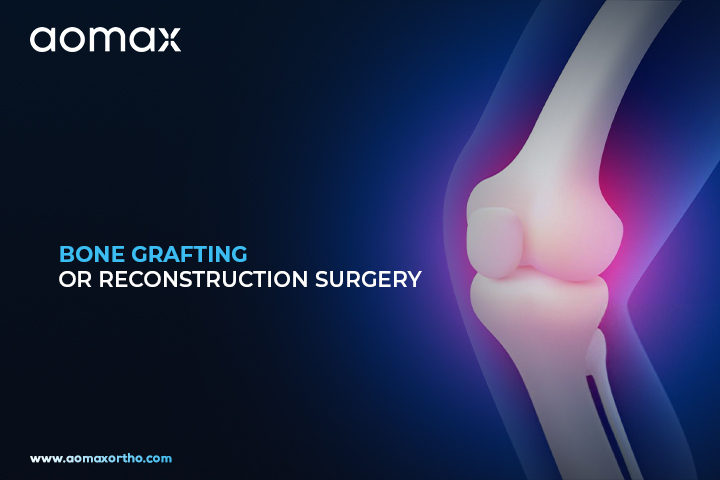
Bone Grafting & Reconstruction – Advanced Orthopedic Surgery for Bone Restoration
Overview of Bone Grafting and Reconstruction
Bone grafting and reconstruction is a surgical procedure used to repair or replace damaged or missing bone. It involves using natural or synthetic bone material to support healing, fill gaps, and restore structural integrity. This procedure is commonly used in trauma, tumor surgery, or orthopedic reconstruction to improve function and stability.
Procedure and Technique for Bone Grafting
During bone grafting, the surgeon first evaluates the defect or injury using imaging techniques such as X-rays, CT scans, or MRIs. The damaged bone is prepared, and the graft material is shaped to fit the defect precisely. Bone grafts may be harvested from the patient (autograft), a donor (allograft), or synthetic substitutes. Specialized instruments like bone drills, curettes, and fixation devices are used to secure the graft. Plates, screws, or external fixators may be applied to stabilize the area during healing. Post-operative monitoring ensures proper integration of the graft and restoration of bone strength.
Indications for Bone Grafting Surgery
- To repair bone defects caused by trauma or fractures.
- For reconstructing bones after tumor resection.
- To treat non-union or delayed union fractures.
- To restore bone length, shape, and strength in congenital or acquired deformities.
Products Related to Bone Grafting / Reconstruction
- Titanium Interference Screw
- Titanium Femoral Button
- Endo Button Continuous Loop
- Endo Button Knotless Rope with PEEK Loop Washer
- Endo Button Flex Loop
- Endo Button Adjustable Loop
- Endo Button Adjustable with Loop Washer
- Endo Button Continuous Loop with Brace
- Suture Anchor with Endo Button
- Suture Washer (Titanium)
Leading Countries Performing Bone Grafting
- United States
- Germany
- Japan
- United Kingdom
- India
Bone Grafting / Reconstruction Benefits
- Restores structural integrity and strength of damaged bones.
- Promotes natural bone healing and regeneration.
- Corrects deformities and maintains proper limb alignment.
- Enhances functionality and mobility of the affected limb.
- Reduces the risk of non-union or bone collapse.
Advin Health Care is a globally leading manufacturer of Bone Grafting and Reconstruction related orthopedic products, providing reliable solutions for bone repair and structural restoration.
Get Connected:
+91 98989 50530 | ortho@advinhealthcare.com | www.advinortho.com
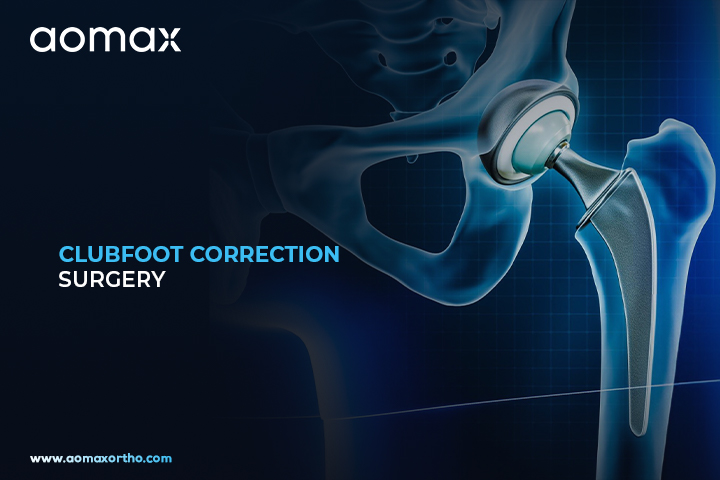
Clubfoot Correction Surgery – Expert Surgical Solution for Pediatric Foot Care
What is Clubfoot Correction?
Clubfoot correction is a surgical procedure used to treat a congenital foot deformity where the foot is twisted inward or downward. The surgery aims to improve foot alignment and function. It helps patients, especially children, achieve better mobility and reduce long-term complications.
Surgical Technique and Approach for Clubfoot Correction
The surgery involves carefully releasing tight tendons and ligaments to allow proper alignment of the foot. Orthopedic surgeons may use instruments like scalpels, scissors, retractors, and specialized orthopedic pins. In some cases, bone cuts or tendon transfers are performed to achieve correct positioning. External fixators or casts are often applied after surgery to maintain alignment during healing. The procedure is usually done under general anesthesia with precision to avoid damage to surrounding tissues. Recovery includes careful monitoring and physiotherapy to restore strength and function.
Why it’s done?
- To correct congenital foot deformities present at birth.
- To improve walking ability and mobility.
- To prevent pain or discomfort caused by abnormal foot positioning.
- To reduce the risk of long-term complications like arthritis or difficulty wearing shoes.
Products Related to Clubfoot Correction
- Ankle Foot Support / Ankle Free AFO FP — these are orthotic supports for ankle/foot.
- Ankle Immobilizer — helps in keeping foot/ankle stable, could assist in post correction or during healing/fixation.
- Cast Shoe — to protect the cast and help ambulation or support.
- Silicone Foot Insole — for support, cushioning, helps with fit and comfort in orthotic devices.
- Ankle Binder — to give mild support around ankle, used in rehab phaseToe Separators — while not directly a correction device for the clubfoot structure, they are part of silicone/orthotic product line for foot‐care / alignment.
Leading Countries Performing Clubfoot Surgery
- India
- United States
- China
- Brazil
- Germany
Clubfoot Correction Benefits
- Restores proper foot alignment and structure.
- Improves overall mobility and walking ability.
- Reduces pain associated with deformity.
- Prevents long-term complications like arthritis or joint deformity.
- Enhances the ability to wear normal footwear and improves quality of life.
Advin Health Care is a globally leading manufacturer of Clubfoot Correction related products.
Get Connected:
+91 98989 50530 | ortho@advinhealthcare.com | www.advinortho.com
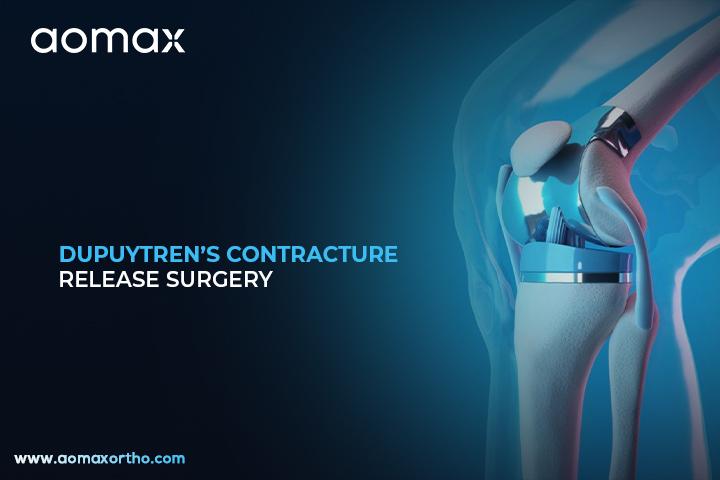
Dupuytren’s Contracture Release – Precision Surgery for Finger Movement Restoration
Overview of Dupuytren’s Contracture Release
Dupuytren’s Contracture Release is a surgical procedure that corrects a hand deformity caused by thickened or tightened tissue under the skin of the palm and fingers. This condition prevents fingers from straightening fully, making hand movement difficult. The surgery aims to restore hand function by removing or releasing the contracted tissue.
Surgical Approach and Techniques in Dupuytren’s Contracture ReleaseDuring Dupuytren’s Contracture Release surgery, the surgeon makes precise incisions in the palm to access and remove the fibrous cords responsible for finger contracture. Depending on severity, procedures such as partial fasciectomy, dermofasciectomy, or needle aponeurotomy may be performed. Microsurgical instruments, retractors, and magnification are used to protect nerves and tendons during dissection. The surgeon may also use tourniquets to control bleeding and ensure clear visualization. After releasing the contracted tissue, the skin is closed carefully to maintain mobility and minimize scarring. This procedure helps restore hand flexibility and improve daily functional activities.
Why it’s done?
- To treat severe contracture that limits finger and hand movement.
- To relieve pain or discomfort caused by the tightness of palmar tissue.
- To restore grip strength and improve hand function.
- To prevent progression of deformity in cases resistant to non-surgical treatment.
Products Related to Dupuytren’s Contracture Release
- Arthroscopy Shaver System
- Arthroscopy Instruments Set
- Orthopedic Curette Digital Tourniquet
- Electric / Multifunction Ortho Drill & Saw Set
- Orthopedic Small Fragment Instrument Set
- API Ortho Instrument Kit
- Orthopedic Cannulated Reamer in T-Handle
- Orthopedic AO-type Humerus Interlocking Instrument Set
- Reviti DHS & DCS Orthopedic Surgical Instruments Set
Top Nations by Frequency of Procedure
- United States
- United Kingdom
- Germany
- France
- Australia
Dupuytren’s Contracture Release Benefits
- Restores normal range of motion in affected fingers.
- Improves grip strength and overall hand function.
- Reduces pain and discomfort associated with tissue tightness.
- Enhances ability to perform daily tasks effectively.
- Prevents further progression of the contracture.
- Provides long-term correction with low recurrence when performed expertly.
Aomax Ortho is a globally recognized manufacturer of high-quality surgical instruments and devices used in Dupuytren’s Contracture Release procedures, ensuring precision, safety, and improved surgical outcomes.
Get Connected:
+91 98989 50530 | exports@aomaxortho.com | www.aomaxortho.com
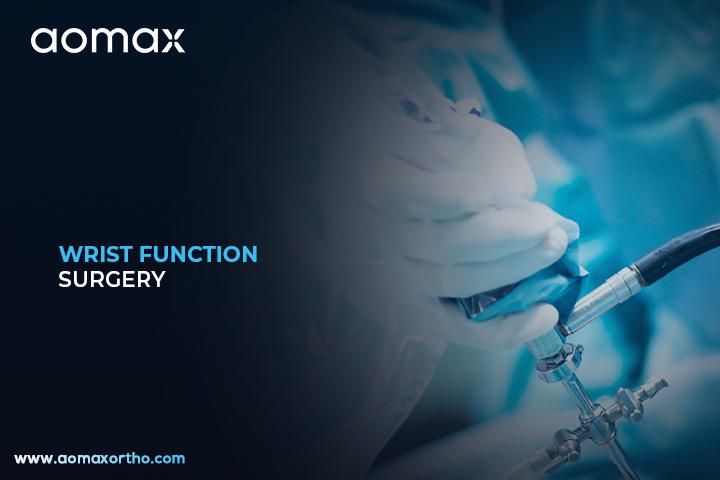
Wrist Arthrodesis Explained - A Complete Guide to Pain-Free Wrist Function
Wrist Fusion Surgery Introduction
Wrist Fusion, also known as wrist arthrodesis, is a surgical procedure that joins the wrist bones into a single, solid bone. This surgery eliminates movement in the wrist joint to reduce severe pain and improve stability. It is commonly done when other treatments fail to relieve symptoms caused by arthritis or major wrist injuries.
Surgical Approach and Technique of Wrist Fusion Surgery
During Wrist Fusion Surgery, the surgeon makes an incision on the back of the wrist to access the joint. The damaged cartilage is carefully removed from the wrist bones to allow proper bone fusion. Metal implants such as plates, screws, or wires are then used to hold the bones in the correct position while they heal. Bone grafts may be added to encourage new bone growth and strengthen the fusion. The wrist is typically fixed in a functional position to allow effective hand movement after recovery. Over time, the bones fuse completely, stabilizing the wrist and reducing chronic pain.
Conditions Requiring for Wrist Fusion Surgery
- Severe wrist arthritis that causes continuous pain and stiffness.
- Major wrist fractures or injuries that cannot be repaired by other methods.
- Instability or deformity in the wrist joint due to trauma or degenerative diseases.
- Failed previous wrist surgeries or implants.
- Chronic wrist pain that affects hand function and daily activities.
Products Related to Wrist Fusion Surgery
- Locking Compression Plate (LCP) — wrist fusion variant
- Dorsal Wrist Fusion Plate
- Cannulated Screws
- Cortical Screws
- Bone Graft (autograft / allograft material)
- Kirschner Wire (K-Wire)
- External Fixator (for temporary stabilization)
- Orthopedic Drill Bits
- Guide Wires
- Compression Screws
Top Nations for Wrist Fusion Surgery Procedures
- United States
- Germany
- United Kingdom
- Japan
- India
Wrist Fusion Surgery Benefits
- Provides long-term pain relief in severe wrist arthritis.
- Restores wrist stability for improved hand function.
- Reduces deformity and improves wrist alignment.
- Prevents further joint damage by eliminating painful motion.
- Allows patients to return to light work and daily activities without discomfort.
- Enhances grip strength by providing a stable wrist platform.
Aomax Ortho is a globally leading manufacturer of Wrist Fusion Surgery-related orthopedic implants and instruments, offering high-quality and precise solutions for surgeons worldwide.
Get Connected:
+91 98989 50530 | exports@aomaxortho.com | www.aomaxortho.com